Let’s talk about that moment every writer knows too well.
You sit down to write. You open the document. The cursor blinks at you like it’s judging your life choices. And nothing happens.
That feeling can be incredibly frustrating. Sometimes it even feels a little scary, like maybe the ideas have just… stopped. But here’s the truth most writers don’t hear often enough: feeling stuck doesn’t mean you’re bad at writing. It doesn’t mean you’ve run out of creativity. It just means you’re human.
Creative blocks aren’t a failure. They’re part of the process.
Most of the time, being “stuck” isn’t about having nothing to say. It’s about putting too much pressure on yourself to say something brilliant. When your brain thinks it’s being evaluated, it shuts down curiosity. Instead of exploring, it freezes.
So before you even start looking for ideas, try lowering the stakes. You’re not writing something perfect. You’re not committing to anything. You’re just playing around. Give yourself permission to write something messy, boring, or unfinished. Ironically, that’s when the interesting ideas tend to show up.
Another thing that helps is letting go of the idea that you need to be completely original. You don’t. Most stories are built on familiar foundations anyway. Myths, fairy tales, history, and well-worn tropes are all fair game. What makes a story feel fresh is usually the angle, not the concept itself. Changing the point of view, the setting, the time period, or the outcome can transform something familiar into something new.
If you’re really stuck, asking better questions can make a huge difference. Instead of vague prompts, try getting specific. Not “What if the world ended?” but something more focused, like what if the world ended and only one person noticed? Or what if a town slowly forgot a single, important word? Specific questions give your imagination something solid to grab onto.
Sometimes plots feel impossible because they’re the wrong place to start. Feelings are often easier. Think about an emotion that’s been hanging around in your life lately. Something unresolved, uncomfortable, or persistent. Then imagine a situation that would force that emotion to the surface. Stories connect with readers not because of what happens, but because of how it feels to experience it.
If your mind feels overwhelmed by too many possibilities, adding constraints can actually help. Limits give your creativity direction. Writing a short piece, confining a scene to one location, or deciding to write only dialogue can make starting easier. When the rules are clear, your brain stops panicking and starts creating.
It also helps to pay attention to the world around you. Real life is full of story seeds if you notice them. A strange conversation you overhear, a headline that raises questions, a stranger who sparks curiosity. Instead of trying to invent drama, ask what might be happening beneath the surface. Often, the most compelling stories begin with small, ordinary moments.
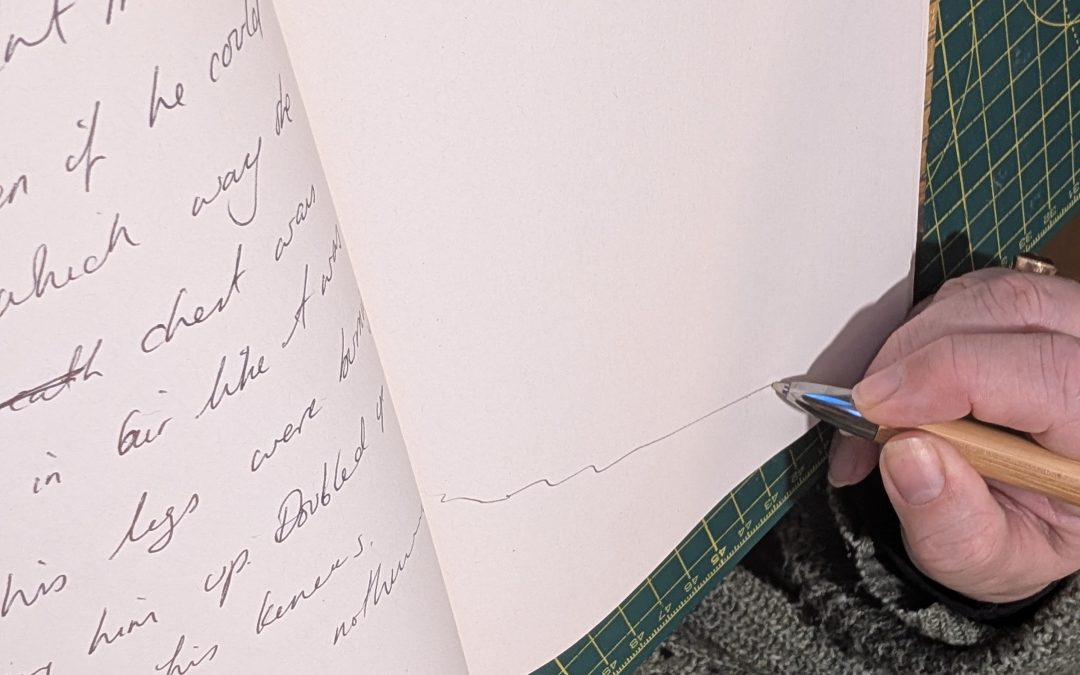
If everything still feels flat, try changing how you write. Switch from typing to handwriting. Talk your ideas out loud. Write somewhere new. Listen to music that sets a mood. Your brain forms habits around environments, and a small change can shake loose new thoughts.
And if you can’t write the story itself, write around it. Write about why you don’t want to write it. Write a scene that will never make it into the final version. Write a letter from a character who refuses to exist. These detours often reveal what the story is really about.
Reading can help too, especially if you step outside your usual comfort zone. Different genres, styles, and forms can refresh your sense of language and possibility. You’re not looking for ideas to steal, just energy to borrow.
Here’s something that might surprise you: being stuck is often a sign of growth. It can mean your taste has improved, that you’re ready to be more honest, or that your subconscious is working through something deeper. Creativity doesn’t disappear. It reorganizes.
If you want a quick way to break through the fog, try this. Set a timer for five minutes and finish this sentence without stopping: “The thing I’m afraid to write about is…” Don’t edit. Don’t judge. Just keep going. A lot of powerful ideas hide behind fear, not emptiness.
So if you’re feeling stuck right now, know this: you’re not broken. You’re not out of ideas. You’re just in a moment that every writer passes through.
You don’t need more inspiration. You need permission to start imperfectly.
And you already have it.
Creative Writing Idea Prompts
- Write about something that annoyed you today. Explore why the reaction felt stronger than expected.
- Start with the line: “I didn’t realize it mattered until it was gone.”
- Write a scene based on a misunderstanding that changes everything.
- Take a common situation (waiting in line, scrolling your phone, sitting in traffic) and ask: What if something went wrong here?
- Write a story that begins with a question you don’t know the answer to.