Creative writing is often misunderstood as a specialized talent reserved for novelists, poets, or people with impressive bookshelves and MFA degrees. This misunderstanding keeps many people away from writing altogether. They believe that unless they are aiming for publication—or unless they are “good enough”—creative writing is not for them. In reality, creative writing is one of the most accessible and useful tools for thinking, feeling, and communicating.
At its simplest, creative writing is intentional expression. It’s the act of choosing words not just to convey information, but to evoke meaning, emotion, and perspective. You engage in creative writing every time you journal, craft a thoughtful email, tell a story to a friend, or replay a moment in your mind and wonder how it might have gone differently.
One of the most profound benefits of creative writing is how it trains attention. Writing forces you to slow down and notice. You can’t describe a moment unless you examine it closely: the texture of a memory, the tone of a conversation, the emotional undercurrent beneath ordinary events. Over time, this habit of noticing carries into daily life. You become more observant, more empathetic, and more aware of nuance.
Creative writing also provides a low-risk environment for experimentation. On the page, you are free to explore ideas that feel confusing, contradictory, or unfinished. You can try on different perspectives. You can exaggerate, distort, or reimagine reality. This freedom allows you to think more flexibly and creatively—not just in writing, but in problem-solving and communication more broadly.
Another reason creative writing matters is that it helps us make sense of experience. Life rarely arrives in neat narratives. Writing allows us to shape chaos into something coherent. By turning experiences into stories, we gain distance from them. We begin to understand not just what happened, but what it meant.
Perhaps most importantly, creative writing pushes back against the idea that creativity belongs to a select few. Creativity is not a personality trait; it is a practice. You don’t wait to become a writer before writing. You write, and through that act, you become one.
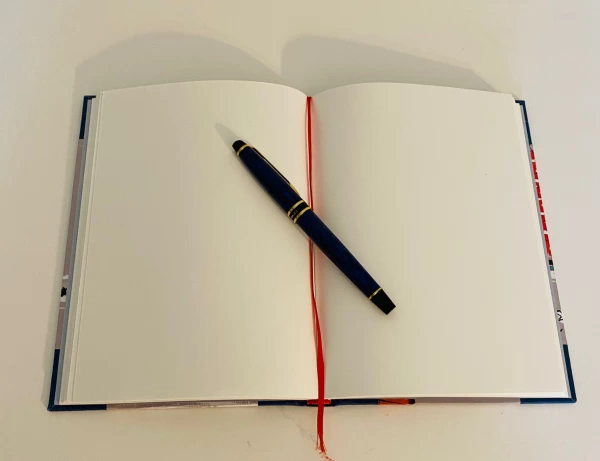
If this resonates with you, find some paper, a book, a pencil or a pen, cosy nook, desk or chair and have a go yourself. Writing is for everyone.
Creative Writing Prompts
- Write about a moment in your life that seemed insignificant at the time but feels meaningful now. Focus on why it matters.
- Describe an ordinary object you use every day as if it were being discovered for the first time.
- Write a letter to yourself from five years in the future. What does your future self notice about your current life?
- Tell a short story about a person who believes they are “not creative”—and prove them wrong.
Write for ten minutes about why you avoid writing. Don’t edit or censor yourself.